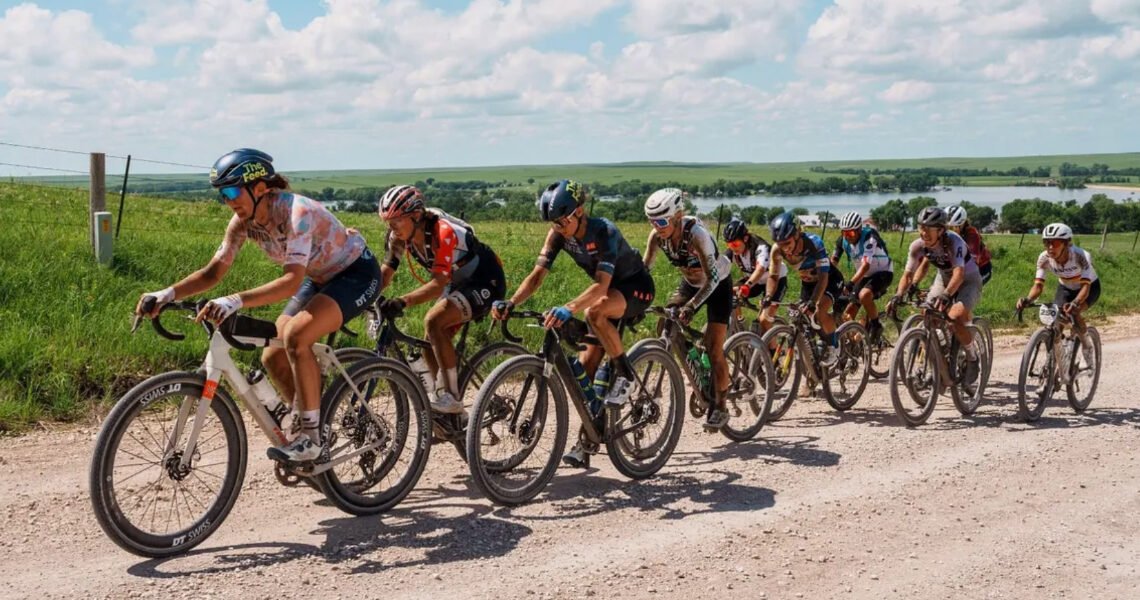

As a sports dietitian, I spend most of my year helping athletes fuel races from afar. But one week each year is different: Unbound Gravel.
For the last several seasons, I’ve joined the Rocket Revolution Coaching Unbound Gravel camp to cook breakfast, lunch and dinner for dozens of riders preparing for one of the toughest gravel races on the calendar. Feeding 30 hungry cyclists for four straight days taught me something important:
Most athletes already know what they should eat — the real challenge is making good nutrition easy enough to happen consistently.
Here are some practical meal prep lessons cyclists can use to fuel better, save time and spend less energy in the kitchen.

I cook all of it.
This article isn’t about sports nutrition science. Instead, it’s about the practical side of fueling: cooking, meal prep, and making nutrition easier to execute. Most athletes know what they should eat. The challenge is finding the time and energy to make it happen consistently.
Here are a few lessons I’ve learned from feeding 30 hungry cyclists.
Online Pickup Is Your Friend
One of the biggest barriers to cooking isn’t cooking itself, it’s shopping. Online grocery pickup has become one of my favorite tools, both personally and professionally. Most major grocery stores offer it for little to no cost, and it saves a tremendous amount of time. I use recipe-planning tools (like SideChef) to organize meals, build shopping lists, and send everything directly to a pickup order. It helps me stay on budget, avoid impulse purchases, and spend less time wandering grocery store aisles.

For this year’s Unbound camp, I placed grocery orders while on my flight over for the initial order and picked them up as soon as I arrived. Throughout the week, I checked inventory each morning and ordered what I needed for upcoming meals. The result? More time cooking and less time shopping.
Most of us can find 10 minutes to build a grocery order while sitting on the couch, and those 10 minutes can easily save an hour wandering the store later.
Slow Cook Everything
If I had to choose one kitchen tool for meal prep, it would be a slow cooker. At camp, most dinner proteins were cooked in crock pots. After breakfast, I’d load them up and let them cook while I focused on lunch, cleanup, and prep work. The beauty of a slow cooker is that it turns active cooking into passive cooking.

For most households, that means putting protein, vegetables, broth, and seasonings into a crock pot before work and coming home to a meal that’s nearly finished. Pair it with a quick starch like parboiled rice, bread, or gnocchi (only a 3 minute cook time) and dinner can be on the table with very little effort.
The easier cooking becomes, the more likely you’ll stick with it.
Bake Your Breakfast
One reason many people skip breakfast is because mornings feel rushed. Instead of standing over the stove, let your oven do the work. Sheet-pan pancakes are one of my favorite examples. Mix the batter, pour it into a baking sheet, and bake. One pan can replace dozens of individual pancakes. The same goes for egg bakes.

During Unbound, the first thing I did each morning was turn on the oven and bake large trays of eggs. While they cooked, I could prepare oatmeal, smoothies, fruit, and everything else needed for breakfast. Using passive cooking methods allows you to accomplish more without spending your entire morning in the kitchen. Better yet, leftovers can become breakfast for the rest of the week.
Leftovers = Burritos
I hate food waste. One of the easiest ways to reduce waste is to give leftovers a new purpose.

At camp, leftover scrambled eggs, breakfast meats, and vegetables became breakfast burritos the next day for when folks were rushing out to the airport. Add a little cheese, salsa, or hot sauce and suddenly yesterday’s leftovers feel like a completely new meal. The same strategy works at home. Instead of making breakfast from scratch every day, cook larger batches and repurpose them throughout the week.
The goal isn’t to eat the same meal over and over. It’s to make good food exciting and convenient.
Make It Look Nice
People eat with their eyes first.
You don’t need fancy ingredients or professional culinary skills to make food more appealing. Simply paying attention to color, texture, and flavor goes a long way. Think about a rice bowl with browned beef, green scallions, sesame seeds, crunchy toppings, and a squeeze of lime. The contrasting colors and textures make the meal more enjoyable, even though the ingredients are simple.

When building meals, try to include:
- Multiple colors
- Different textures
- A balance of savory, sweet, salty, or acidic flavors
Small details can make healthy meals feel far more satisfying.
Summary
Most people think better nutrition requires more discipline, but often it requires better systems. Online grocery pickup, slow cookers, sheet-pan breakfasts, repurposed leftovers, and thoughtful presentation all make it easier to prepare meals consistently.
You don’t need to be a professional chef to eat well. You just need a few strategies that save time and reduce friction.
The post Cycling Nutrition Made Easier: Meal Prep Lessons from Unbound Gravel appeared first on PezCycling News.